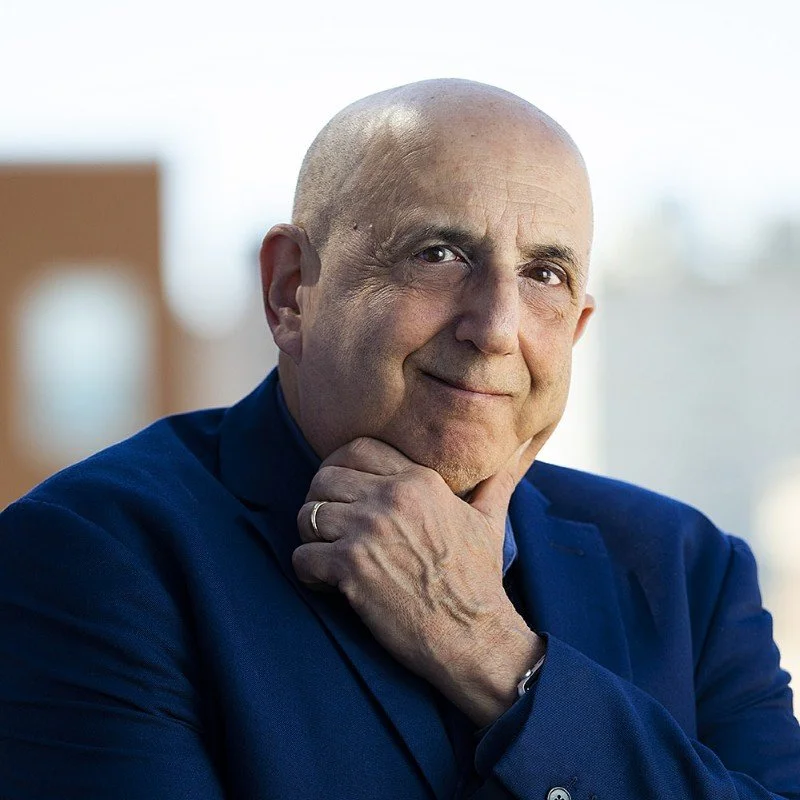
For 35 years, I’ve studied how organisations learn, change, and fail to change. Now that artificial intelligence is accelerating those dynamics, I help leaders navigate the intersection of human learning, machine learning, and organizational learning.
I do three types of work for clients: Editorial consultation, AI-related leading-edge learning projects, and comprehensive content strategy initiatives.
My background
My parents were schoolteachers. Growing up, I lived on stories. My brother was autistic and persisted to a self-sufficient adulthood; I knew from an early age what it means to strive for seemingly impossible goals.
I wrote my master’s thesis at UC Berkeley’s journalism school about the early internet — years before most people had heard of it. At the Whole Earth Catalog, I covered the first wave of personal computing. Those experiences taught me to pay attention to technologies that are about to reshape everything.
Working on the Fifth Discipline Fieldbook series with Peter Senge taught me that everyone has a significant story to tell, and that it takes patience and perspective to develop it. I built twin practices from that insight: writing about organizations and leaders (The Age of Heretics, Who Really Matters, The Wise Advocate, The AI Dilemma) and the consulting work I conduct today.
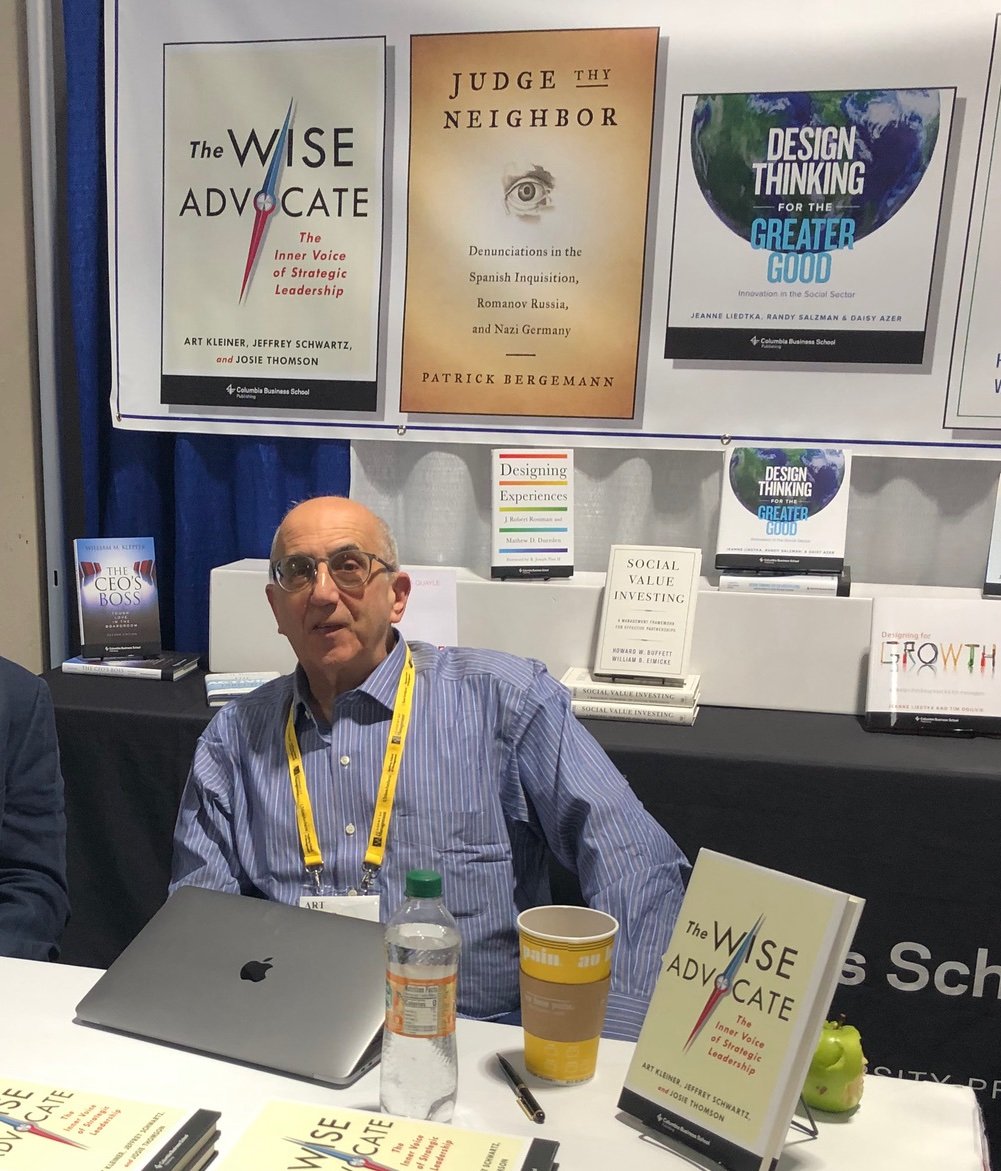
In 2005, I became editor-in-chief of strategy+business, the management magazine published first by Booz Allen Hamilton and then by PwC, where I became a managing director. Over 15 years, I published many of the most influential thinkers in business and witnessed firsthand how Fortune 500 companies actually transform — and why most efforts fail. At S+B, I championed the growing field of neuroscience and leadership; with Jeffrey Schwartz and Josie Thomson, I co-developed the research that became The Wise Advocate.
At New York University, where I am a research fellow in Interactive Media Arts, I teach courses on responsible technology design and the future of media. I am currently developing the Living Fieldbook for System Leaders with Peter Senge, picking up where the Fieldbook series left off.
Credentials
Certified EU AI Act Auditor (ForHumanity) • Marshall Goldsmith 100 Coaches • Research Postdoc, NYU Interactive Media Arts • Masters of Journalism, University of California at Berkeley • Co-author, The AI Dilemma (named one of Nature’s top five science picks, 2023), The Wise Advocate • Author, The Age of Heretics, Who Really Matters, • Editorial Director, Fifth Discipline Fieldbook series • Former Editor-in-Chief, strategy+business • Former Managing Director, PwC