Let’s Create the Future of Work
A collaborative intensive working group on using GenAI, for leaders of innovative teams. Each participant brings a proposed project, works on it weekly with the rest of the cohort, and leaves with a finished version of it — along with the working habits and skills that produced it.
Seven seats. Two months. July and August 2026.

This could be for you.
You’re a founder or small-company executive whose AI project has stalled. The technology was the easy part. The human side of getting it adopted was not thought through.
You’re an HR or L&D leader trying to figure out what generative AI does to workplace learning, and how to lead through the disruption rather than be flattened by it.
You’re a team leader building an automated tool, workflow, or system that teams around the organization will eventually use.
If you are looking for AI tutorials, the internet is full of them.
This is for people who learn best with others.
What you'll come away with
A finished project at a reasonable scale. Projects are personal and concrete: a task agent that reads across files, a triage system for high-volume email, a guardrailed L&D pilot ready to run.
Plus five skills that stay with you.
Knowing which tool to reach for, and when an agent is the right answer.
Using generative AI efficiently: getting more from each interaction, with the right amount of friction.
Tailoring systems and data to your situation, rather than bending your situation to fit a tool.
Designing guardrails so the system doesn’t do unexpected or unnecessary harm.
Setting up the feedback loops that let a project keep improving after the cohort ends.
And a peer group. Founding-cohort alumni stay in contact through a shared channel and get first refusal on the next cohort at founding-rate pricing.
How we work
One weekly Zoom of ninety minutes. Each session covers a piece of the curriculum and makes room for the projects. The first three weeks settle the basics and lock in what each person is building. The rest are devoted to the tools, decisions, and human judgments needed to ship.
I convene the room. When we need specific expertise, I bring it in — a coder, a deployment specialist, an interface expert, a regulatory advisor.
A central tension runs through all of this: whether you are using AI to learn, or to skip learning. We work on the side of learning.
Pricing
$3,000 for the full two months — founding-cohort pricing, deliberately below what subsequent cohorts will pay, in exchange for participants helping to shape what the curriculum becomes.
A working Claude subscription is required for the duration, about $200 a month.
Consultants, coaches, not-for-profits, and educators: get in touch for tailored arrangements.
Applications open through June 5.
About the convener
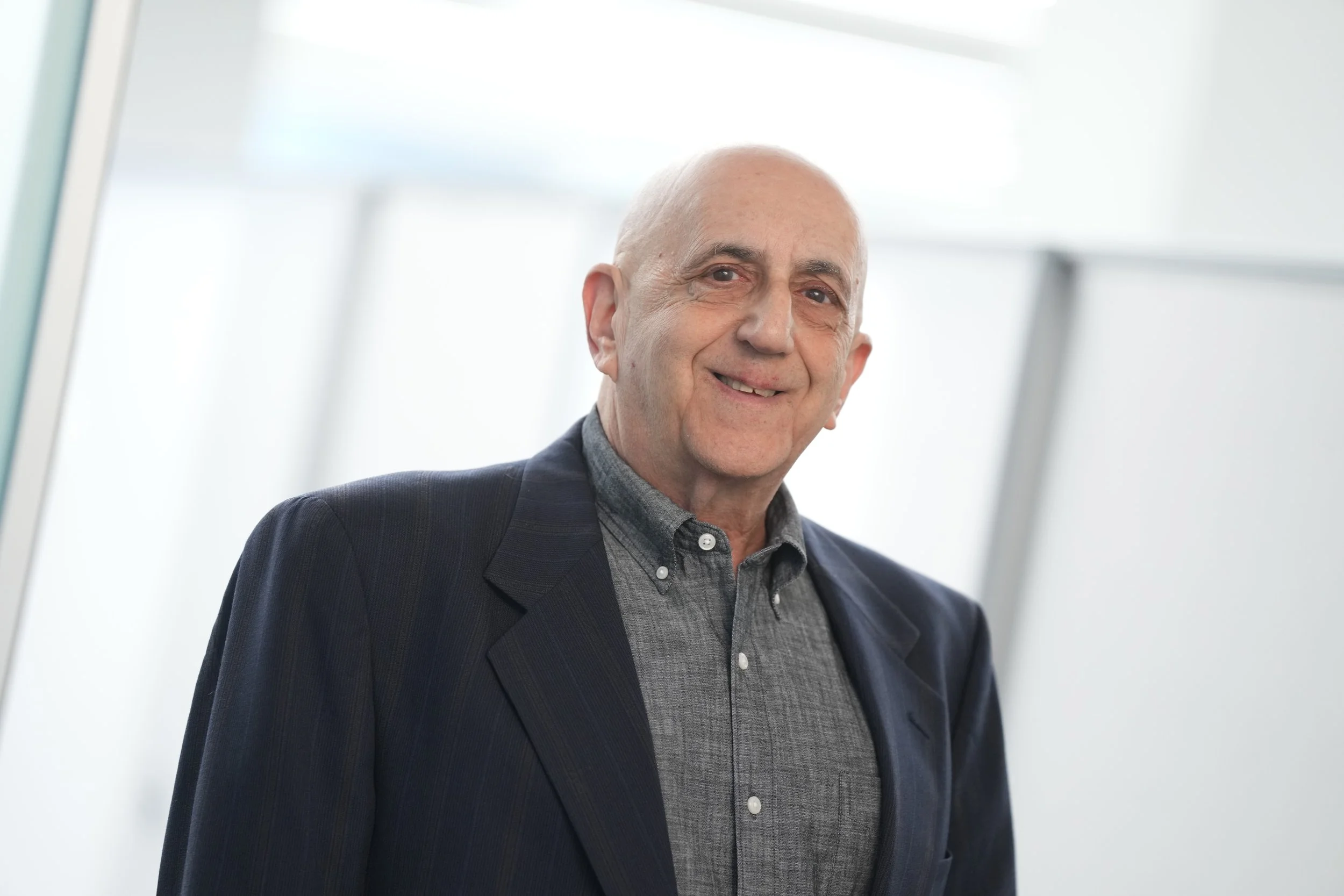
Art Kleiner has spent thirty-five years studying how organizations learn. He is the coauthor of The AI Dilemma: 7 Principles for Responsible Technology and, with Alexandra Diening, A Strategy for Human–AI Symbiosis. He is the editorial director of Peter Senge's Fifth Discipline Fieldbook series, a former managing director at PwC, a research associate at New York University's Interactive Media Arts program, and a certified EU AI Act auditor.
What he brings to the cohort is not tool expertise. The tools change faster than any curriculum can chase. He brings the pattern recognition of someone who has watched three earlier technology waves arrive in organizations, and a working understanding of human and organizational dynamics.